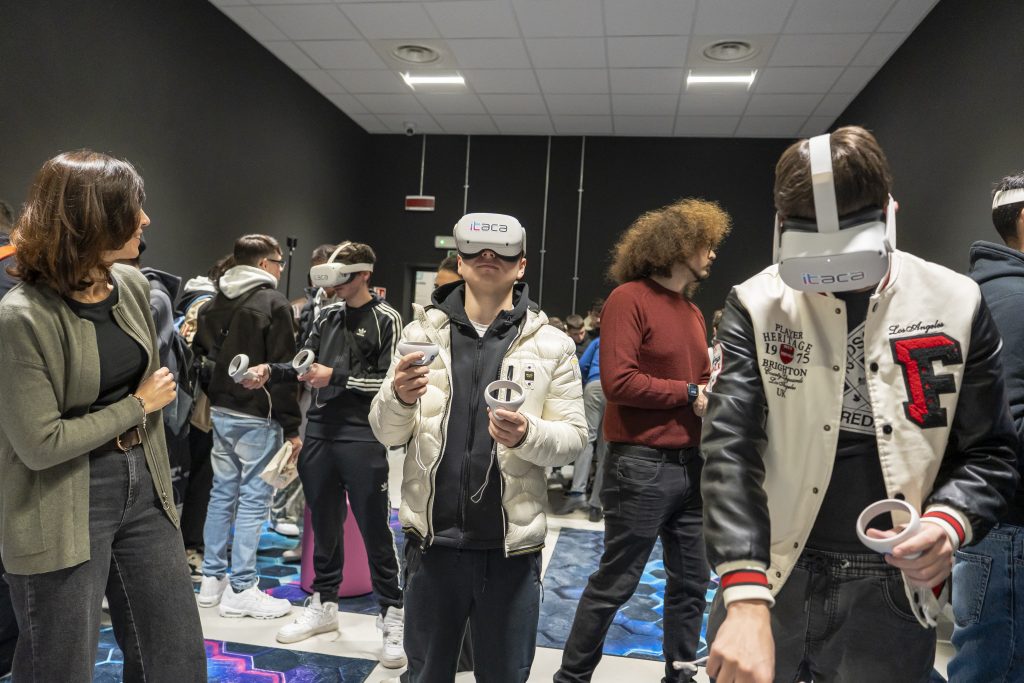
The XRTwinScape project has successfully concluded its Pilot Execution Validation phase, bringing its high-fidelity Extended Reality (XR) digital twins out of the prototype stage and into real-world industrial training. The field-testing involved 164 participants across three core Industry 5.0 scenarios. Trainees experienced virtual industrial plant engineering to safely familiarize themselves with equipment, engaged in complex problem-solving within a simulated medium/low-voltage electrical substation, and participated in career guidance activities focusing on advanced welding and safety management roles.
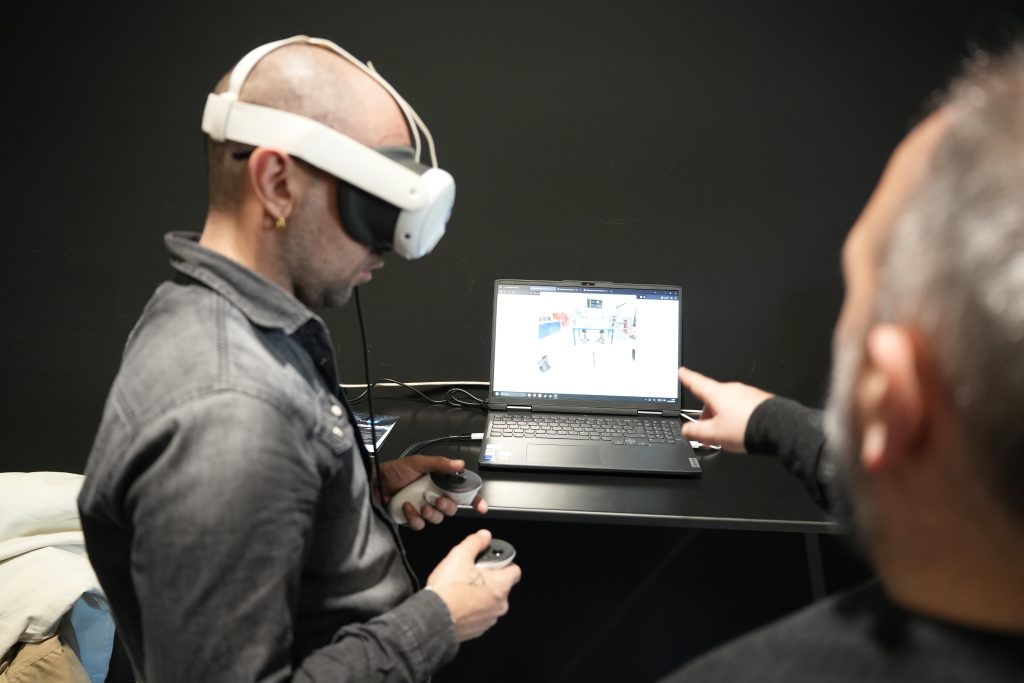
Data collected from the pilot demonstrated superior learning outcomes, with VR users achieving noticeably higher assessment scores compared to traditional desktop web-client users. The platform also recorded a solid System Usability Scale (SUS) score of 68.55 and consistently high behavioral intention to use the technology across all demographics. To support these strong results, the development team implemented key technical enhancements driven by early feedback. These included a dedicated Operator UI to give trainers full control over the sessions, a robust Offline Mode for schools and businesses with low bandwidth, and optimizations to maintain a steady 72 Frames Per Second (FPS) for a smooth, cybersickness-free experience.
Following these successful validation campaigns, XRTwinScape has officially achieved Technology Readiness Level (TRL) 7. With its core codebase now released as open-source and strong market validation secured, the consortium is poised to scale operations and accelerate the platform’s deployment across the broader educational and industrial markets.
Visit the project website for more details and future developments: XRTwinScape Website